What to Do Before Visiting an Emergency Dentist for a Dental Abscess

An emergency dentist can evaluate a dental abscess and recommend treatment before the infection worsens. This infection forms when bacteria create a pocket of infection around a tooth root or gum tissue; it typically manifests as throbbing pain, swelling, sensitivity, a bad taste, fever, or discomfort while chewing. Prompt care matters because infections of any kind do not resolve on their own. Still, taking a few safe steps before the appointment can help manage discomfort while the patient waits for professional treatment.
When an emergency dentist should evaluate an abscess
A dental abscess needs timely attention from an emergency dentist. Pain may start near one tooth and spread toward the jaw, ear, neck, or face. Likewise, swelling that starts near the gums or cheek and worsens can also signal that the infection needs evaluation. A general dentist (the acting emergency dentist) can examine the area, take X-rays, and determine where the infection begins.
Some symptoms require immediate medical attention. Facial swelling (particularly around the eye), high fever, difficulty swallowing, and difficulty breathing can indicate a more serious infection. In these cases, seek immediate care at an emergency room or call 911. Emergency dentists only treat non-life-threatening cases.
Safe steps before seeing an emergency dentist
Home care cannot cure an abscess, but it may help reduce discomfort before the dental visit. Gentle rinsing with warm salt water can help clean the area and soothe irritated tissue. A cold compress on the outside of the cheek may help with swelling. Over-the-counter (OTC) pain relief may also help when used as directed on the product label.
Patients should avoid placing aspirin directly on the gums or tooth. This can burn the soft tissue and worsen irritation. The same is true for hot drinks, hard foods, and chewing on the painful side of the mouth.
What to avoid with a dental abscess
It is crucial never to try to pop, squeeze, or drain a dental abscess at home. Trying to open the area can push bacteria deeper into the tissue, increasing the risk of irritation. Additionally, sharp tools, needles, or pressure near the swelling can also injure the gums or underlying nerves. Professional drainage, when needed, should happen in a controlled dental setting.
In addition, antibiotics should not be used without professional guidance. Some dental abscesses need procedures that address the source of infection, not only medication. Treatment may involve drainage, root canal therapy, extraction, or another dental procedure. The emergency dentist will decide whether antibiotics are needed based on the patient's symptoms and health history.
What emergency dental treatment may involve
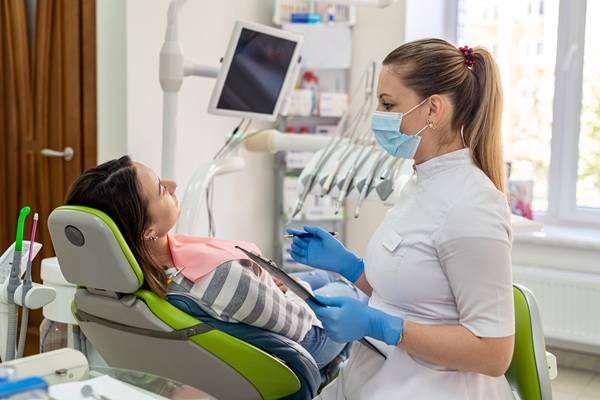
An emergency dentist begins by identifying the source of the infection. X-rays may show whether the abscess starts inside the tooth, around the root, or in the gum tissue. The dentist will also check for swelling, bite pressure, and signs of spreading infection. This evaluation helps create a safe treatment plan.
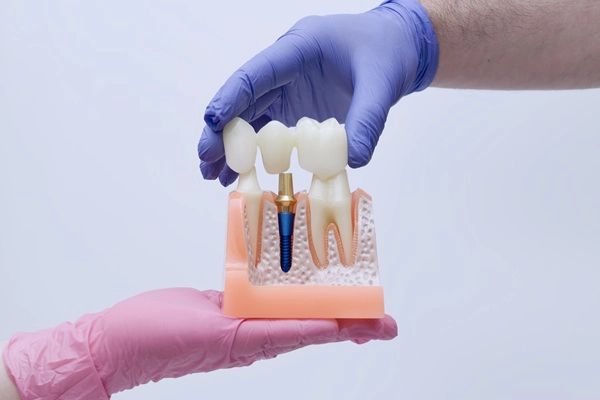
Treatment focuses on reducing infection and protecting oral health. If the tooth is salvageable, root canal therapy may remove infected tissue from inside the tooth, but if not, the emergency dentist may recommend an extraction.
Schedule an emergency dental appointment
Our emergency dentist can treat a dental abscess by identifying the source of the infection, reducing discomfort, and recommending the appropriate treatment. Fast care can help protect the tooth, gums, jaw, and surrounding tissues. Call our office to schedule an emergency evaluation.
Request an appointment here: https://www.grandviewdentalcolorado.com or call Grandview Dental at (303) 400-3483 for an appointment in our Aurora office.
Check out what others are saying about our dental services on Yelp: Emergency Dentist in Aurora, CO.
Recent Posts
Wondering when you should see an emergency dentist? Emergency dentists are general dentists who have undergone additional training to be prepared for urgent dental issues. Some of the more common emergent issues include broken teeth, dislodged teeth, abscesses or bleeding gums. An emergency dentist is the best resource to make use of when the gums…
A knocked-out tooth, broken teeth and severe toothaches are few common conditions that may necessitate a visit to an emergency dentistry office. Since such dental issues do not heal on their own, patients must seek professional treatment immediately, despite the lockdown caused by the coronavirus. It can be hard to discern if a condition is…
Dental emergencies can leave people in a lot of pain and some can cause permanent damage or require extensive treatment if the condition does not get treated quickly. If a person has a dental emergency and is unable to see the dentist, they should go to an emergency dentist to get the problem taken care…
Are you looking into broken tooth restoration options? When someone breaks one of their teeth, the options for treatment depends on the severity of the break. General dentists recommend early treatment for the highest chance of a successful restoration and reduced risk of future oral health issues.Teeth can break for several reasons, and understanding the…